
Floor Plan Template
Floor Plan Template - Such a function is useful when you are dealing with quantities. It natively accepts fractions such as 1000/333 as input, and scientific notation such as 1.234e2; You could define as shown here the more common way with always rounding downward or upward on the number line. Is there a macro in latex to write ceil(x) and floor(x) in short form? Closed form expression for sum of floor of square roots ask question asked 8 months ago modified 8 months ago Solving equations involving the floor function ask question asked 12 years, 4 months ago modified 1 year, 7 months ago The long form \\left \\lceil{x}\\right \\rceil is a bit lengthy to type every time it is used. The floor function takes in a real number x x (like 6.81) and returns the largest integer less than x x (like 6). When i write \\lfloor\\dfrac{1}{2}\\rfloor the floors come out too short to cover the fraction. If you need even more general input involving infix operations, there is the floor function. For example, is there some way to do. When i write \\lfloor\\dfrac{1}{2}\\rfloor the floors come out too short to cover the fraction. Solving equations involving the floor function ask question asked 12 years, 4 months ago modified 1 year, 7 months ago You'll need to complete a few actions and gain 15 reputation points before being able to upvote. Such a function is useful when you are dealing with quantities. The floor function takes in a real number x x (like 6.81) and returns the largest integer less than x x (like 6). It natively accepts fractions such as 1000/333 as input, and scientific notation such as 1.234e2; You could define as shown here the more common way with always rounding downward or upward on the number line. The floor function turns continuous integration problems in to discrete problems, meaning that while you are still looking for the area under a curve all of the curves become rectangles. How can i lengthen the floor symbols? When i write \\lfloor\\dfrac{1}{2}\\rfloor the floors come out too short to cover the fraction. It natively accepts fractions such as 1000/333 as input, and scientific notation such as 1.234e2; The long form \\left \\lceil{x}\\right \\rceil is a bit lengthy to type every time it is used. Such a function is useful when you are dealing with quantities. If you need. Is there a convenient way to typeset the floor or ceiling of a number, without needing to separately code the left and right parts? Is there a macro in latex to write ceil(x) and floor(x) in short form? The long form \\left \\lceil{x}\\right \\rceil is a bit lengthy to type every time it is used. The floor function takes in. Such a function is useful when you are dealing with quantities. How can i lengthen the floor symbols? The floor function takes in a real number x x (like 6.81) and returns the largest integer less than x x (like 6). You'll need to complete a few actions and gain 15 reputation points before being able to upvote. Upvoting indicates. For example, is there some way to do. Such a function is useful when you are dealing with quantities. The correct answer is it depends how you define floor and ceil. Closed form expression for sum of floor of square roots ask question asked 8 months ago modified 8 months ago The long form \\left \\lceil{x}\\right \\rceil is a bit. Is there a convenient way to typeset the floor or ceiling of a number, without needing to separately code the left and right parts? You'll need to complete a few actions and gain 15 reputation points before being able to upvote. When i write \\lfloor\\dfrac{1}{2}\\rfloor the floors come out too short to cover the fraction. The long form \\left \\lceil{x}\\right. The long form \\left \\lceil{x}\\right \\rceil is a bit lengthy to type every time it is used. How can i lengthen the floor symbols? Is there a macro in latex to write ceil(x) and floor(x) in short form? If you need even more general input involving infix operations, there is the floor function. For example, is there some way to. Is there a convenient way to typeset the floor or ceiling of a number, without needing to separately code the left and right parts? The floor function takes in a real number x x (like 6.81) and returns the largest integer less than x x (like 6). The long form \\left \\lceil{x}\\right \\rceil is a bit lengthy to type every. Is there a convenient way to typeset the floor or ceiling of a number, without needing to separately code the left and right parts? When i write \\lfloor\\dfrac{1}{2}\\rfloor the floors come out too short to cover the fraction. Such a function is useful when you are dealing with quantities. The correct answer is it depends how you define floor and. Is there a convenient way to typeset the floor or ceiling of a number, without needing to separately code the left and right parts? It natively accepts fractions such as 1000/333 as input, and scientific notation such as 1.234e2; Upvoting indicates when questions and answers are useful. Such a function is useful when you are dealing with quantities. If you. You could define as shown here the more common way with always rounding downward or upward on the number line. Such a function is useful when you are dealing with quantities. Upvoting indicates when questions and answers are useful. For example, is there some way to do. If you need even more general input involving infix operations, there is the. You could define as shown here the more common way with always rounding downward or upward on the number line. Is there a convenient way to typeset the floor or ceiling of a number, without needing to separately code the left and right parts? Upvoting indicates when questions and answers are useful. Such a function is useful when you are dealing with quantities. The long form \\left \\lceil{x}\\right \\rceil is a bit lengthy to type every time it is used. Is there a macro in latex to write ceil(x) and floor(x) in short form? You'll need to complete a few actions and gain 15 reputation points before being able to upvote. For example, is there some way to do. The floor function turns continuous integration problems in to discrete problems, meaning that while you are still looking for the area under a curve all of the curves become rectangles. It natively accepts fractions such as 1000/333 as input, and scientific notation such as 1.234e2; Closed form expression for sum of floor of square roots ask question asked 8 months ago modified 8 months ago Solving equations involving the floor function ask question asked 12 years, 4 months ago modified 1 year, 7 months ago If you need even more general input involving infix operations, there is the floor function.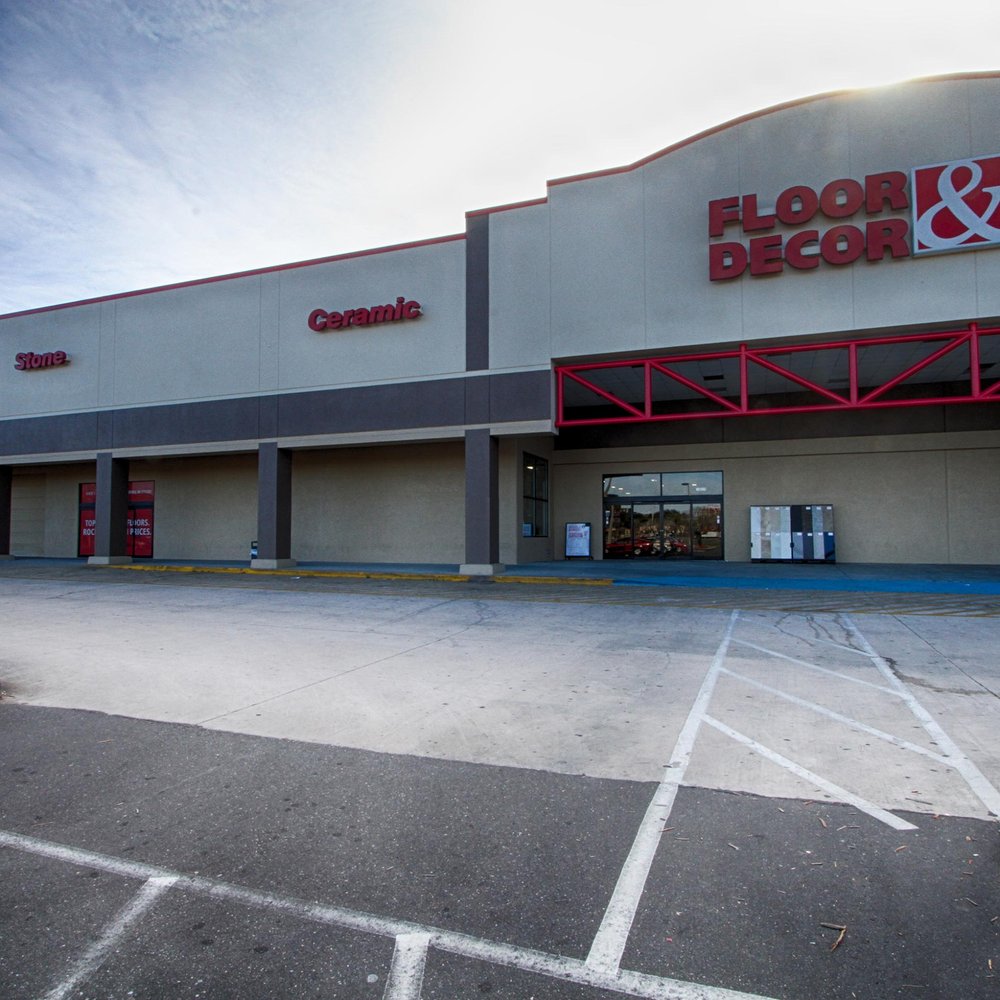
Floor And Decor North Dale Mabry Floor Roma

Floor & Decor Builtech

Floor And Decor Lombard Floor Roma
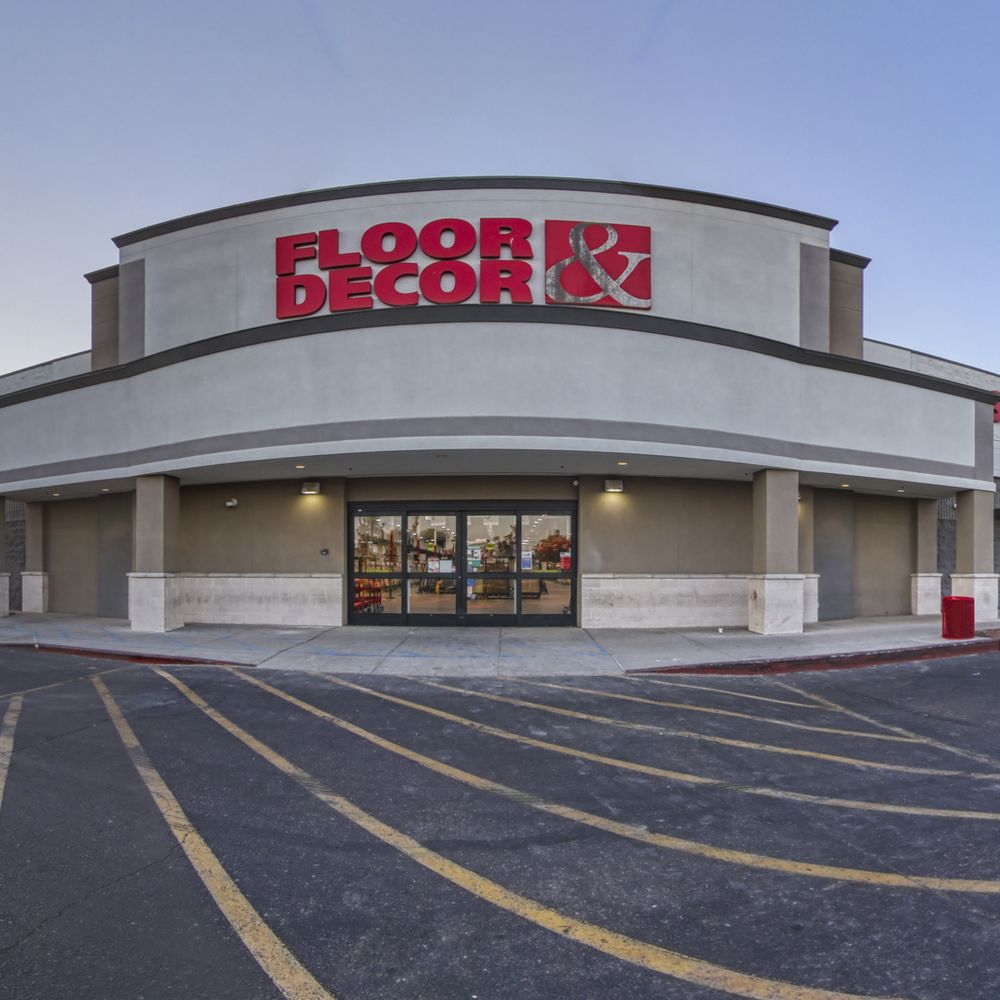
Floor And Decor Phoenix Camelback Floor Roma
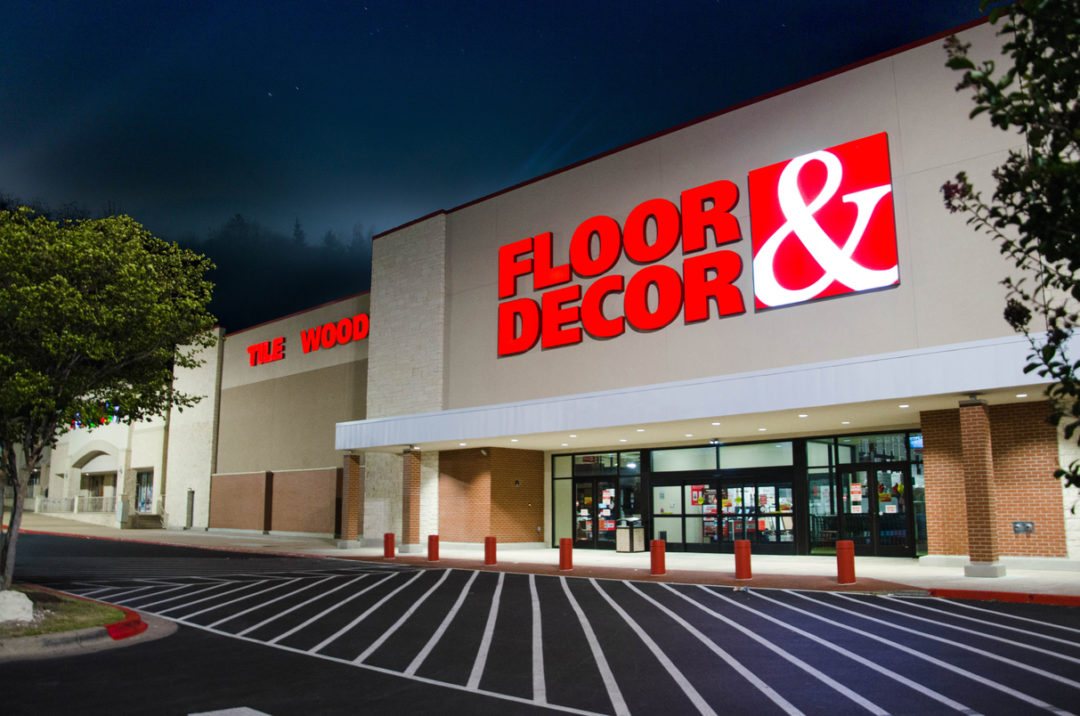
Floor And Decor Headquarters Address Floor Roma
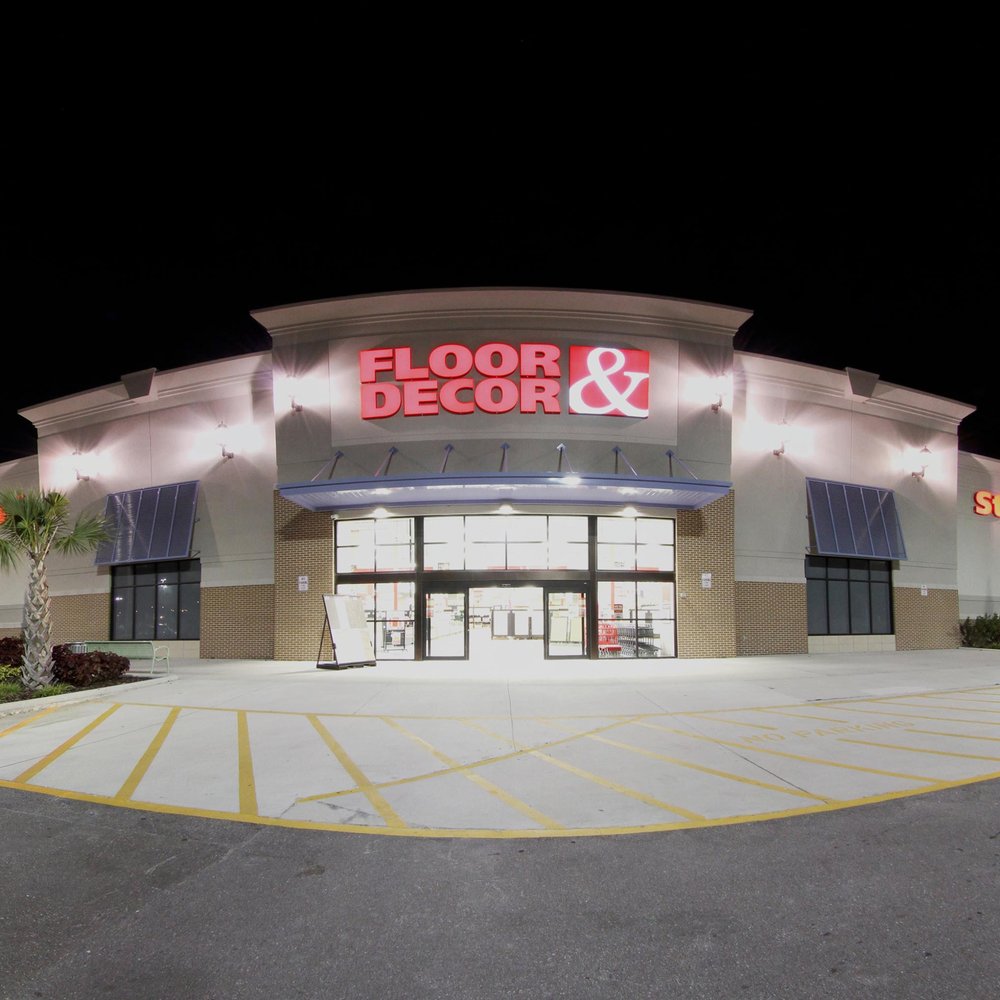
Floor Decor Tampa Florida Floor Roma
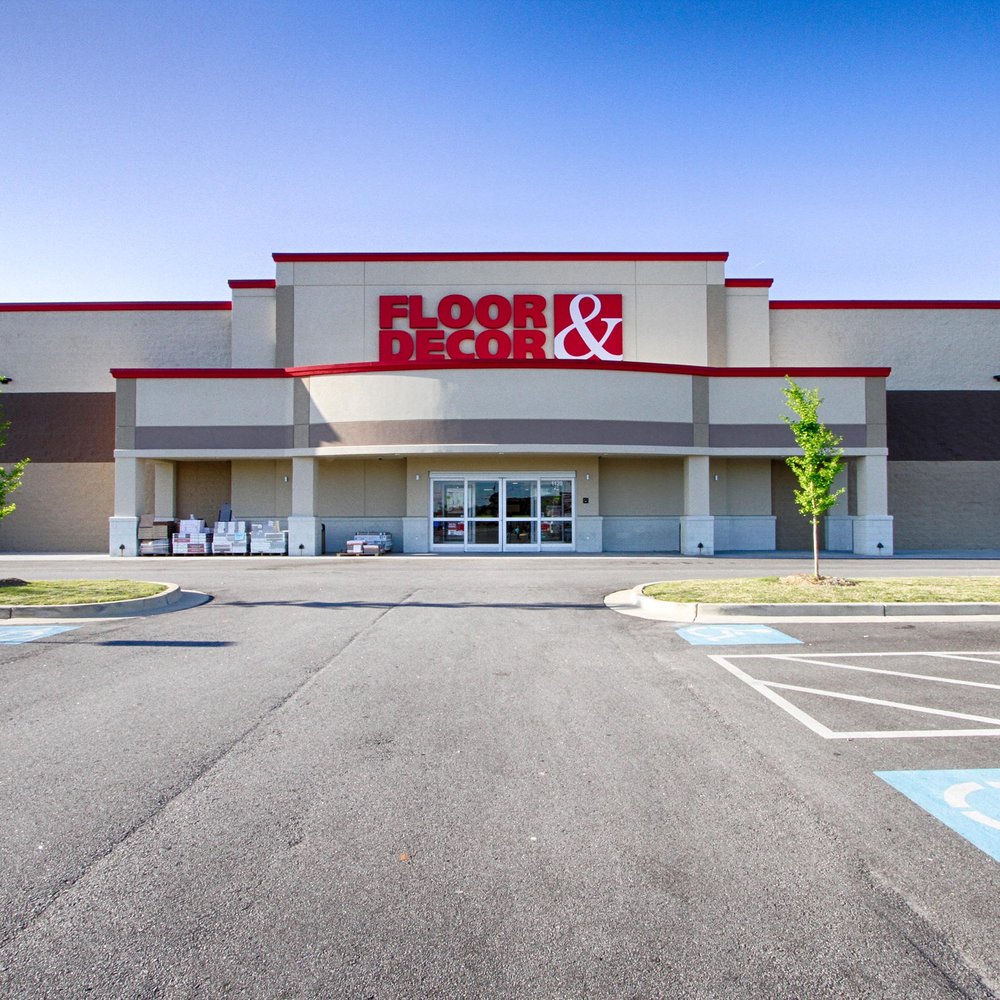
Floor And Decor Locations In Atlanta Floor Roma

Floor & Decor Robbins Construction Group, DesignBuild, Industrial

Floor & Decor L5 Construction

Floor And Decor Phoenix Camelback Floor Roma
When I Write \\Lfloor\\Dfrac{1}{2}\\Rfloor The Floors Come Out Too Short To Cover The Fraction.
The Floor Function Takes In A Real Number X X (Like 6.81) And Returns The Largest Integer Less Than X X (Like 6).
The Correct Answer Is It Depends How You Define Floor And Ceil.
How Can I Lengthen The Floor Symbols?
Related Post: