
Indemnification Agreement Template
Indemnification Agreement Template - In the business world, indemnification is a safety net, providing parties with financial protection from loss or damages that result from another’s actions. The meaning of indemnification is the action of indemnifying. They serve as crucial tools for risk. In this article, we discuss indemnification, how it works in legal contracts, different types of. Indemnification is both simple and complicated. Indemnification clauses in contracts establish the conditions under which one party compensates the other for legal claims, damages, or liabilities incurred. It is similar to a liability waiver but is usually more specific,. An indemnification provision, also known as a hold harmless provision, is a clause used in contracts, including business agreements, to shift potential costs from one. Indemnification, also called indemnity, is an implementation by one party (the indemnifying party) to pay the other party (the indemnified party) for specific expenditures and. At a basic level, when you read that someone is going to “indemnify” someone else in a contract, think “reimburse” or. At a basic level, when you read that someone is going to “indemnify” someone else in a contract, think “reimburse” or. Indemnification, also called indemnity, is an implementation by one party (the indemnifying party) to pay the other party (the indemnified party) for specific expenditures and. Indemnification is both simple and complicated. An indemnification clause ensures that you don’t face civil damages in several legal situations. Indemnification provisions play a crucial role in contract law by ensuring a fair allocation of risk between parties. The meaning of indemnification is the action of indemnifying. In the business world, indemnification is a safety net, providing parties with financial protection from loss or damages that result from another’s actions. The law recognises that imposing a disproportionate burden. It is similar to a liability waiver but is usually more specific,. Indemnification clauses in contracts establish the conditions under which one party compensates the other for legal claims, damages, or liabilities incurred. In this article, we discuss indemnification, how it works in legal contracts, different types of. Indemnification provisions play a crucial role in contract law by ensuring a fair allocation of risk between parties. In the business world, indemnification is a safety net, providing parties with financial protection from loss or damages that result from another’s actions. To indemnify, also known. Indemnification provisions play a crucial role in contract law by ensuring a fair allocation of risk between parties. An indemnification provision, also known as a hold harmless provision, is a clause used in contracts, including business agreements, to shift potential costs from one. They serve as crucial tools for risk. Indemnification, also called indemnity, is an implementation by one party. To indemnify, also known as indemnity or indemnification, means compensating a person for damages or losses they have incurred or will incur related to a specified accident, incident, or. They serve as crucial tools for risk. The meaning of indemnification is the action of indemnifying. In the business world, indemnification is a safety net, providing parties with financial protection from. It is similar to a liability waiver but is usually more specific,. Indemnification is both simple and complicated. In this article, we discuss indemnification, how it works in legal contracts, different types of. Indemnification provisions play a crucial role in contract law by ensuring a fair allocation of risk between parties. At a basic level, when you read that someone. In this article, we discuss indemnification, how it works in legal contracts, different types of. An indemnification provision, also known as a hold harmless provision, is a clause used in contracts, including business agreements, to shift potential costs from one. Indemnification provisions play a crucial role in contract law by ensuring a fair allocation of risk between parties. Indemnification is. In this article, we discuss indemnification, how it works in legal contracts, different types of. The meaning of indemnification is the action of indemnifying. The law recognises that imposing a disproportionate burden. Indemnification, also called indemnity, is an implementation by one party (the indemnifying party) to pay the other party (the indemnified party) for specific expenditures and. Indemnification clauses in. In this article, we discuss indemnification, how it works in legal contracts, different types of. An indemnification provision, also known as a hold harmless provision, is a clause used in contracts, including business agreements, to shift potential costs from one. Indemnification, also called indemnity, is an implementation by one party (the indemnifying party) to pay the other party (the indemnified. Indemnification provisions play a crucial role in contract law by ensuring a fair allocation of risk between parties. Indemnification, also called indemnity, is an implementation by one party (the indemnifying party) to pay the other party (the indemnified party) for specific expenditures and. The meaning of indemnification is the action of indemnifying. In this article, we discuss indemnification, how it. Indemnification, also called indemnity, is an implementation by one party (the indemnifying party) to pay the other party (the indemnified party) for specific expenditures and. Indemnification provisions play a crucial role in contract law by ensuring a fair allocation of risk between parties. Indemnification clauses in contracts establish the conditions under which one party compensates the other for legal claims,. In this article, we discuss indemnification, how it works in legal contracts, different types of. At a basic level, when you read that someone is going to “indemnify” someone else in a contract, think “reimburse” or. To indemnify, also known as indemnity or indemnification, means compensating a person for damages or losses they have incurred or will incur related to. In this article, we discuss indemnification, how it works in legal contracts, different types of. At a basic level, when you read that someone is going to “indemnify” someone else in a contract, think “reimburse” or. They serve as crucial tools for risk. The law recognises that imposing a disproportionate burden. Indemnification clauses in contracts establish the conditions under which one party compensates the other for legal claims, damages, or liabilities incurred. An indemnification clause ensures that you don’t face civil damages in several legal situations. The meaning of indemnification is the action of indemnifying. It is similar to a liability waiver but is usually more specific,. In the business world, indemnification is a safety net, providing parties with financial protection from loss or damages that result from another’s actions. Indemnification is both simple and complicated. Indemnification, also called indemnity, is an implementation by one party (the indemnifying party) to pay the other party (the indemnified party) for specific expenditures and.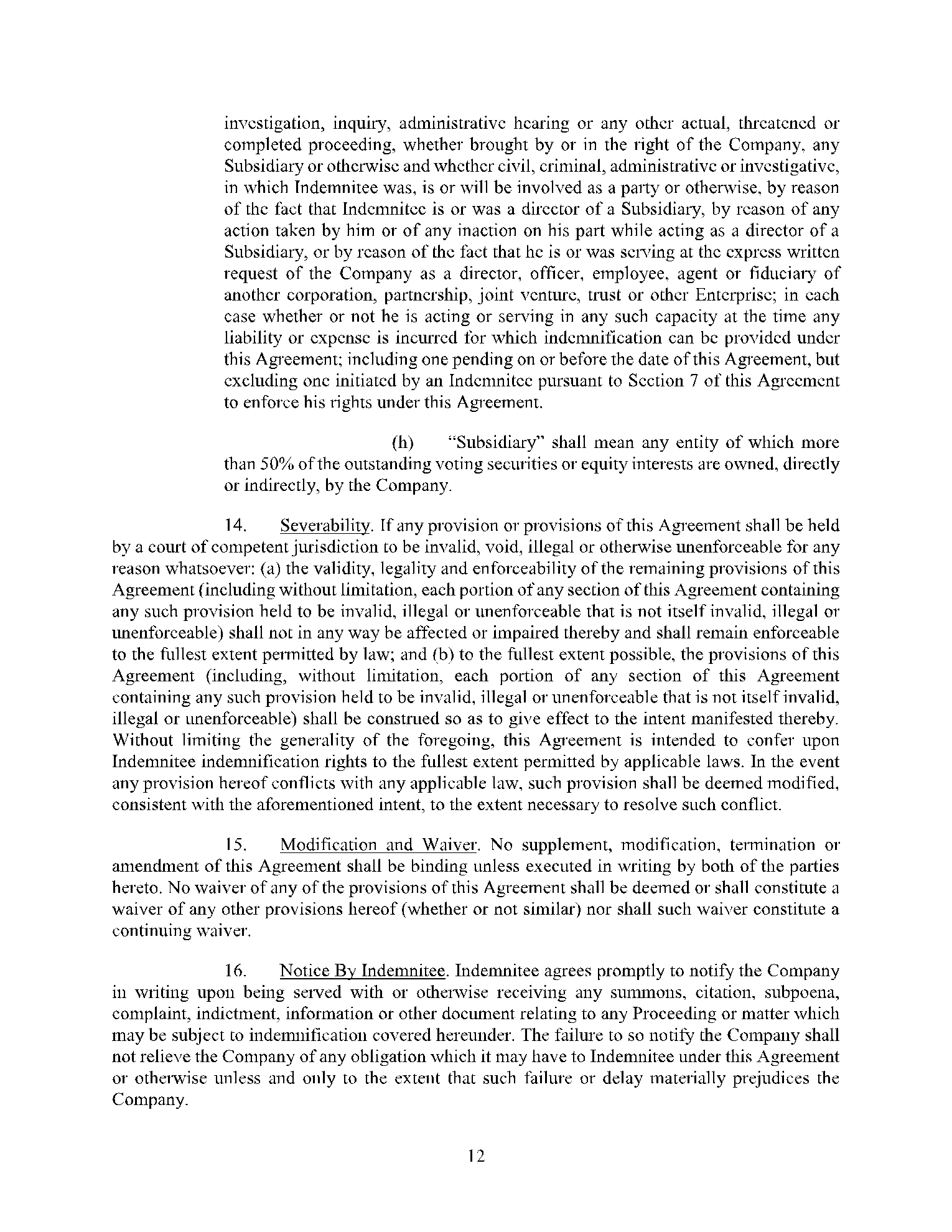
Indemnification Agreement 12
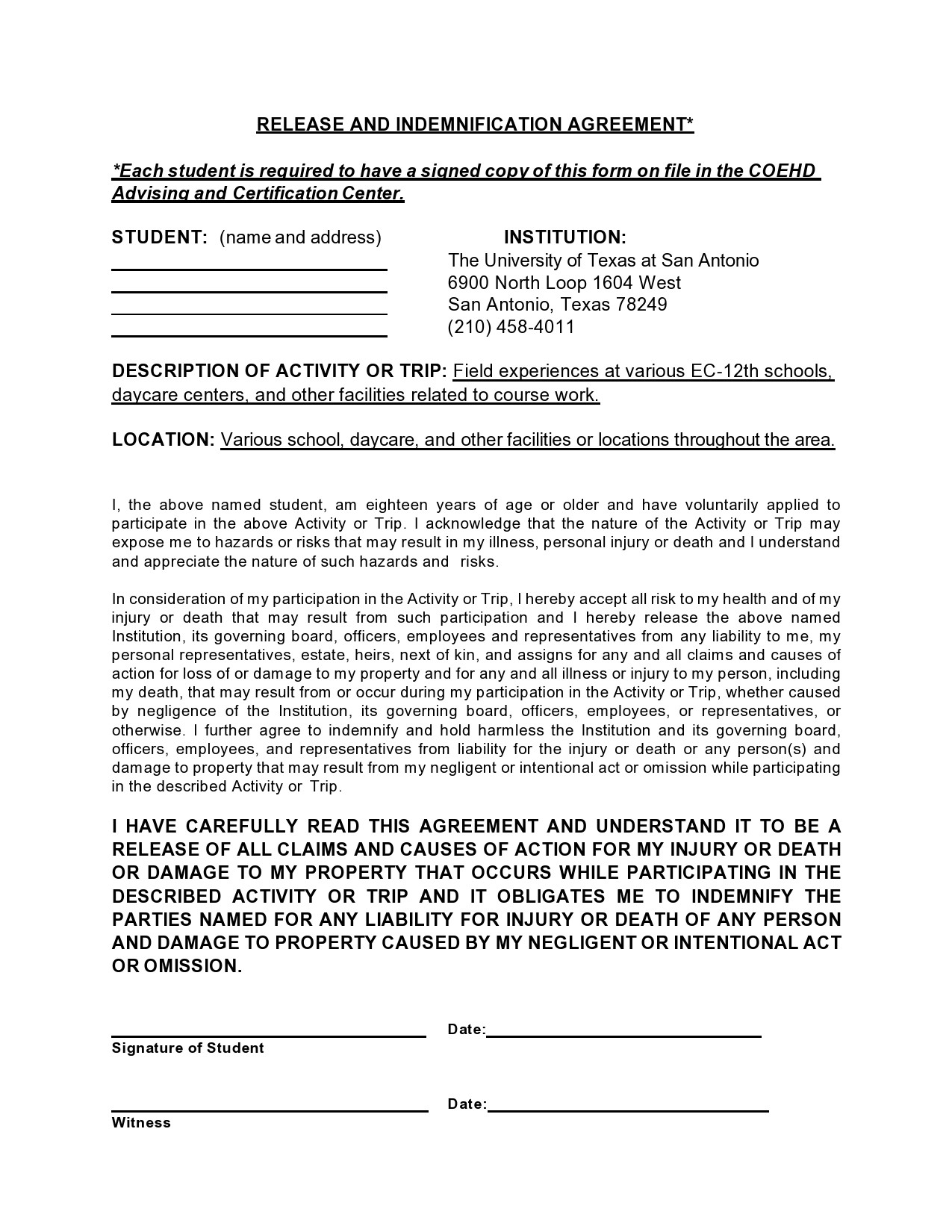
Letter Of Indemnification Template

Indemnification Agreement Template Printable Word Searches
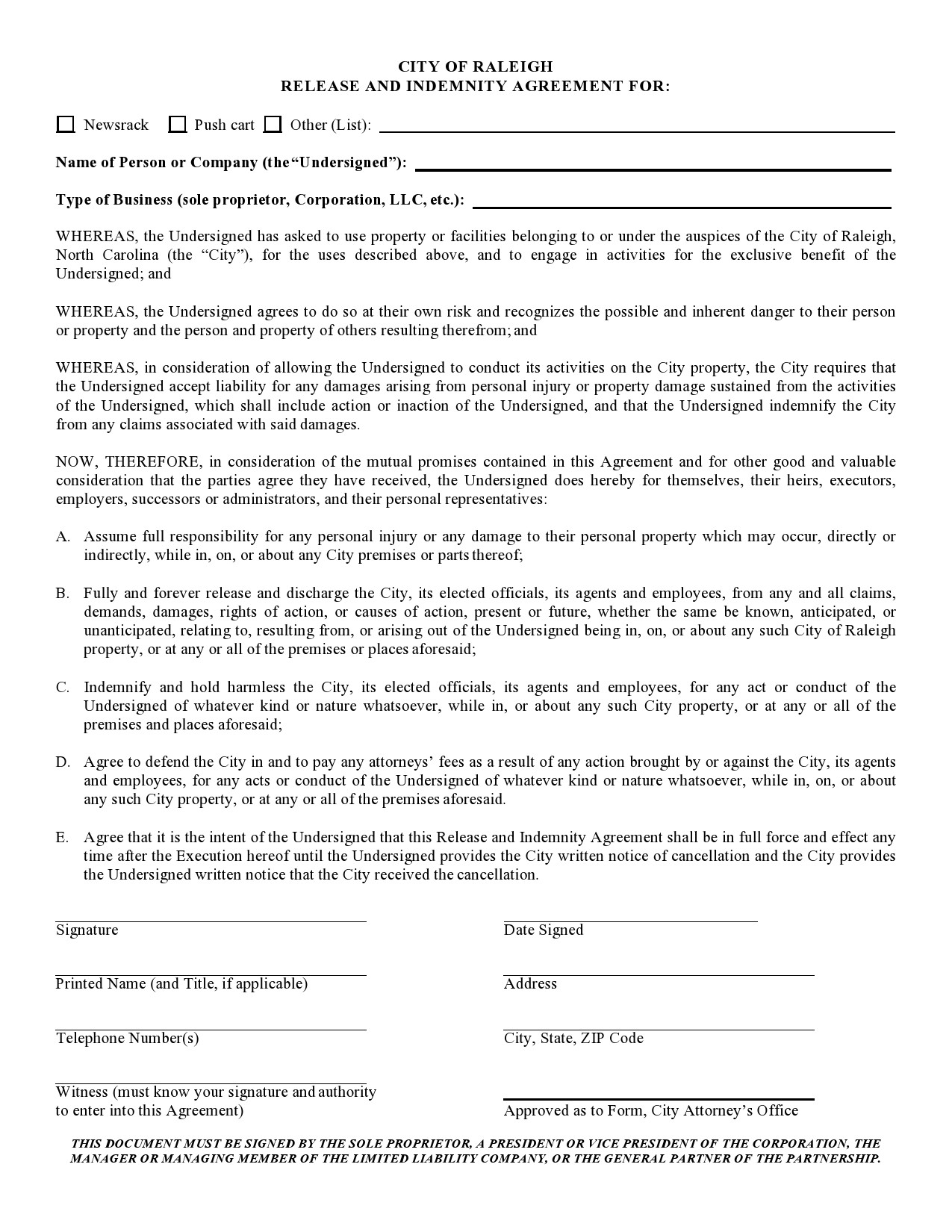
Indemnification Letter Template
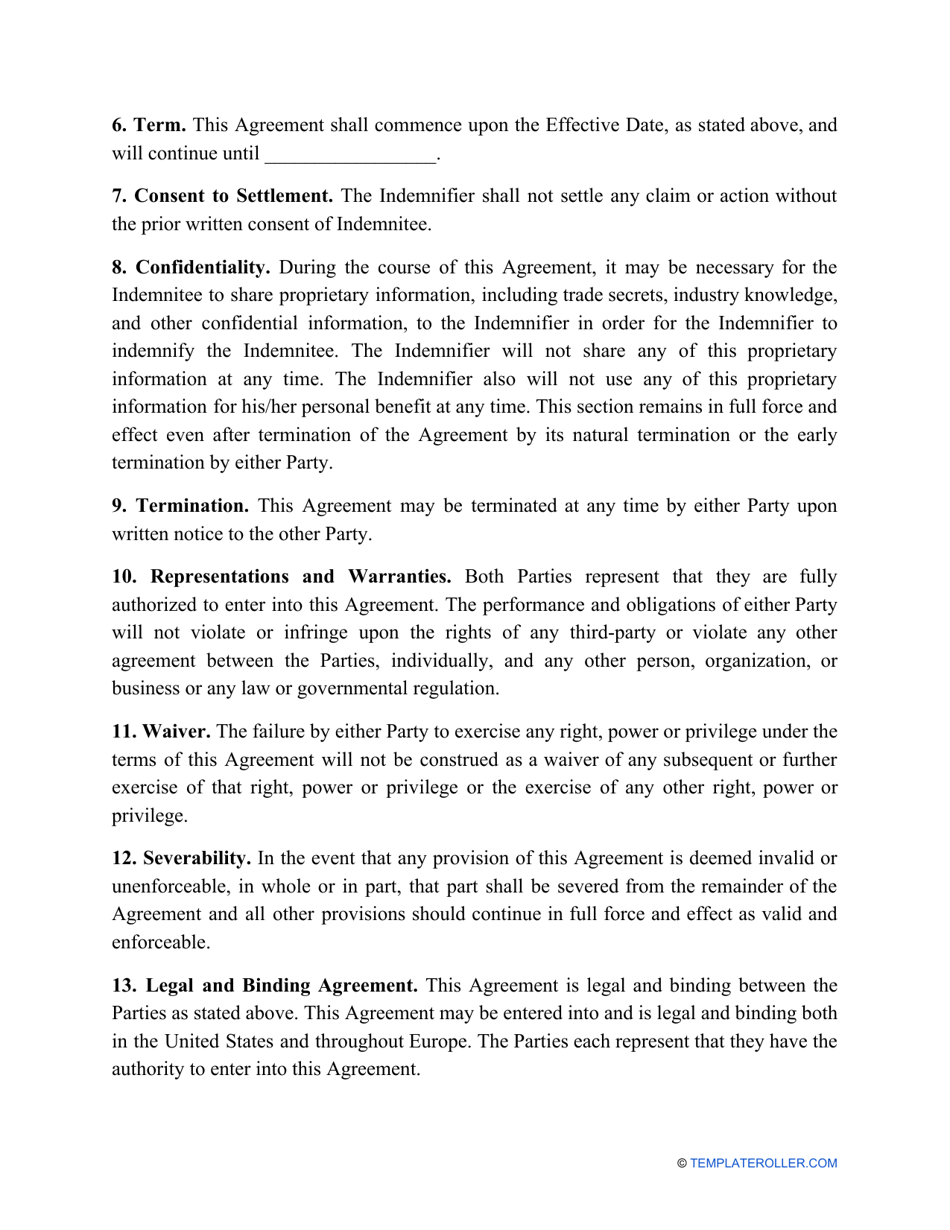
Indemnification Agreement Template Fill Out, Sign Online and Download
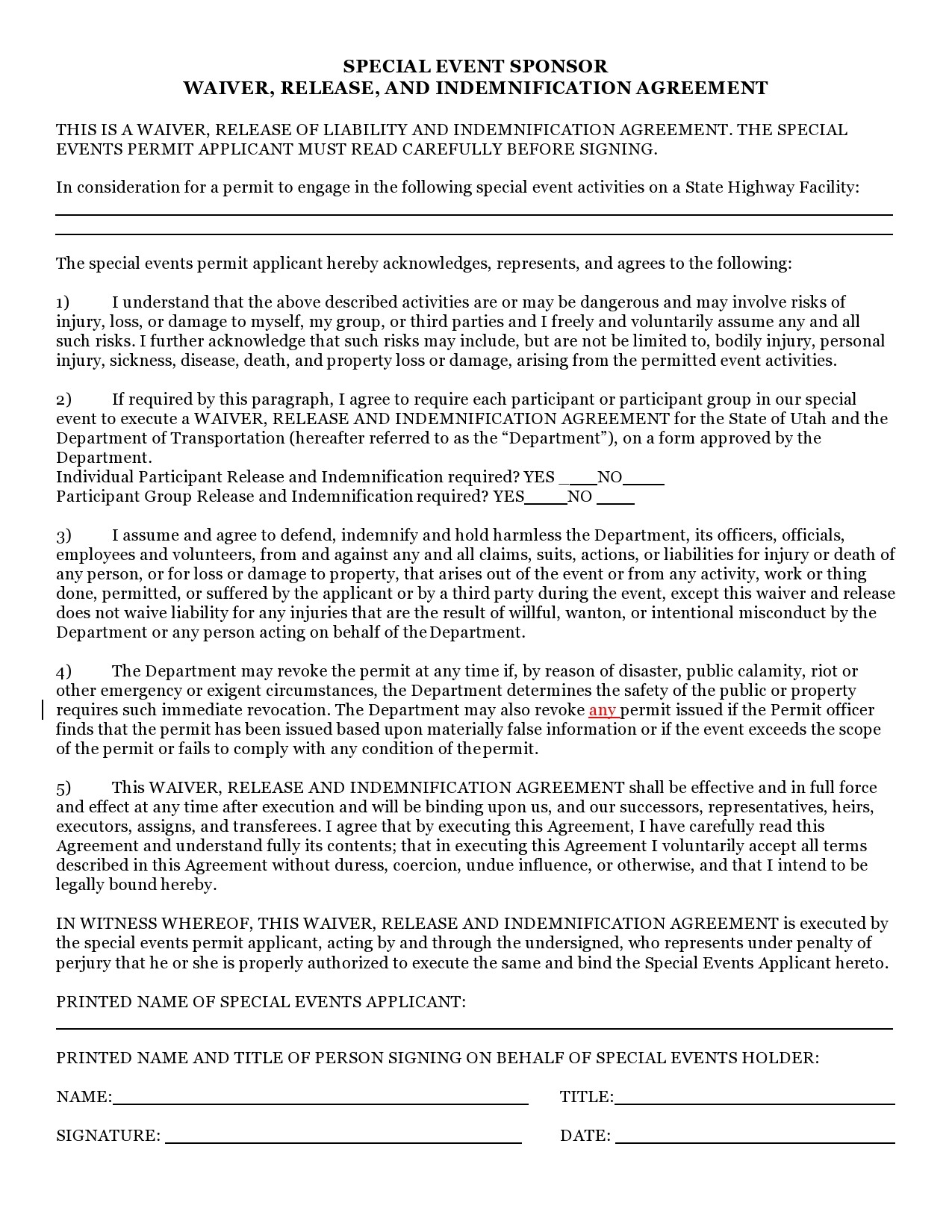
Indemnification Clause Template
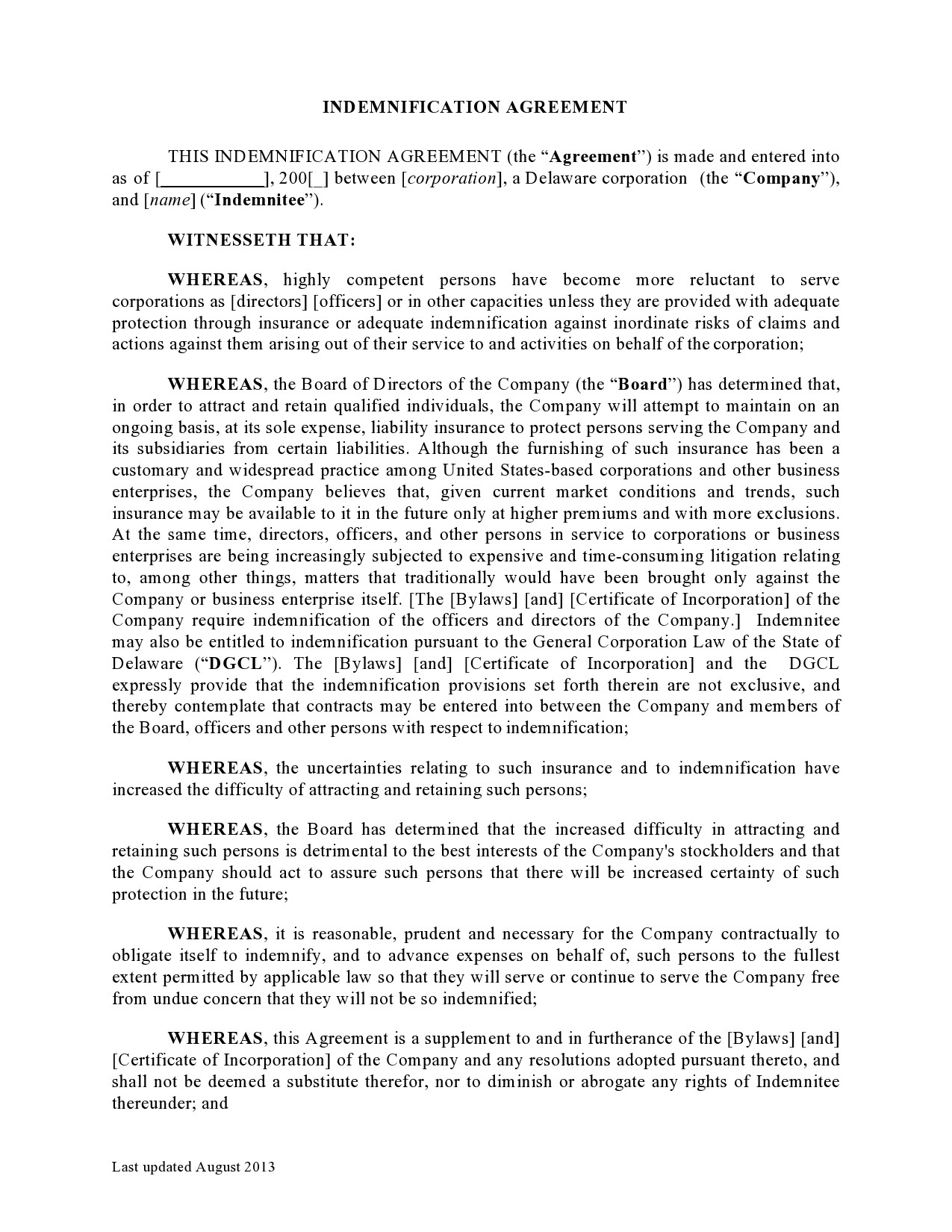
Indemnification Letter Template

Indemnification Agreement Template

Indemnification Agreement Template BestTemplatess BestTemplatess
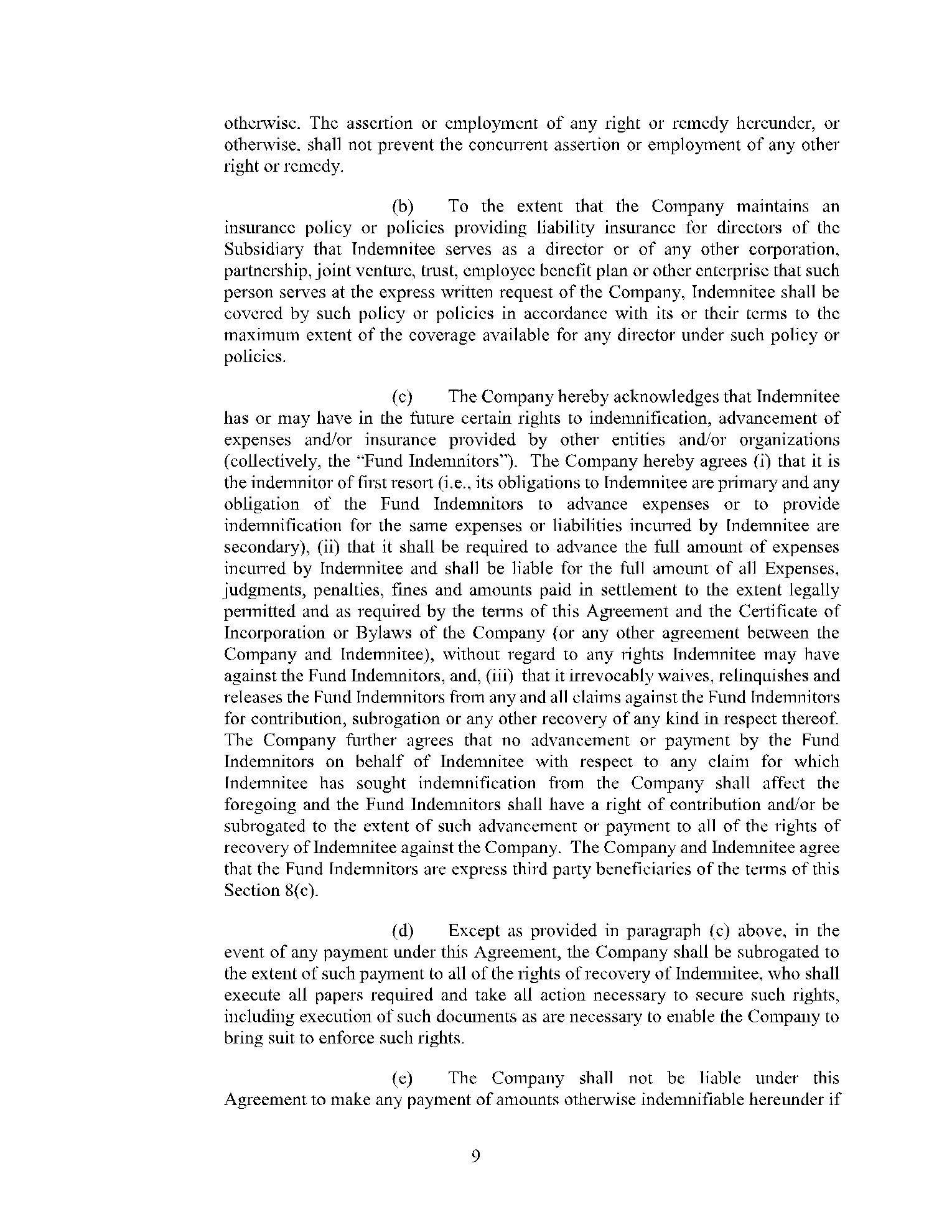
Indemnification Agreement 9
An Indemnification Provision, Also Known As A Hold Harmless Provision, Is A Clause Used In Contracts, Including Business Agreements, To Shift Potential Costs From One.
Indemnification Provisions Play A Crucial Role In Contract Law By Ensuring A Fair Allocation Of Risk Between Parties.
To Indemnify, Also Known As Indemnity Or Indemnification, Means Compensating A Person For Damages Or Losses They Have Incurred Or Will Incur Related To A Specified Accident, Incident, Or.
Related Post: